
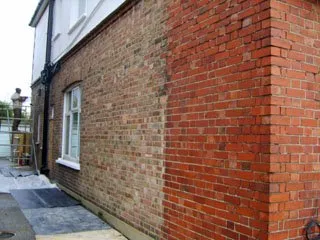
Repointing brickwork is a crucial building repair process that helps to maintain the stability, appearance, and lifespan of your house. Nevertheless, weather conditions significantly determine whetherher owhenting project will be fulfilled. Weather conditions may affect mortar curing, construction schedules, and the final project output due to rain, frost, and extreme weather. Knowledge of these factors will be important for planning and high-quality work in London. Selecting professional repointing of brickwork in London ensures your project is carried out effectively and withstands the local climate. With knowledge of weather-related disruptions, homeowners will be able to plan their work schedules, minimise damage risks, and record long-term outcomes in their brickwork.
Weather Matters: Timing Your Repointing Project Right
The weather affects the physical properties of mortar as well as the speed and efficiency with which a project can be completed. Knowledge of these effects enables contractors and homeowners to plan projects without any hesitation.
1. Rain and Moisture
Too much rainfall may disrupt the mortar laying and curing. Wetness prevents adhesion, leading to poor joints and early wear. Repointing during dry seasons ensures the mortar hardens and provides a strong, stable connection.
2. Cold and Frost
Extremely low temperatures may retard or even stop mortar curing. Mortar used at freezing temperatures may not cure properly, leading to cracks and weakened structures. Work is usually not undertaken till temperatures get above freezing.
3. Heat and Sunlight
Excessive heat may cause mortar to dry too quickly, leading to shrinkage cracks and reduced strength. Hot temperatures may require more water or shade to allow the material to cure evenly and ensure its durability.
4. Windy Conditions
Intense winds may cause the mortar to dry unevenly and harden the materials. Wind protection or temporary barriers can be required to ensure similar results are obtained in the joints.
5. Seasonal Considerations
- Spring and Summer: It is usually the best season to repoint, as it is generally moderate and precipitation is .lower
- Autumn: Can still be suitable if rainfall is monitored and work is scheduled accordingly.
- Winter: This is usually an inappropriate season; frost and damp conditions may affect the quality.
When well planned around these seasonal patterns, repointing projects would be done efficiently and perform well in the long term.
6. Local Environmental Factors
Cities such as London have the potential to develop microclimates on brickwork. Structural closeness, contamination, and shadow can change the speed of surface drying or dampness. Repointing brickwork in London is a very labour-intensive task, so contractors hire individuals with repointing experience to provide the best services.
Weather plays a significant role in the success and timing of any repointing brickwork project. Understanding the effects of rain, frost, heat, and wind helps homeowners schedule work effectively and protect their investment. Engaging professionals for repointing brickwork in London ensures the job is completed with durability, precision, and long-lasting results.
M.D Pointing Contractors Ltd offers professional repointing services, and its work is durable and of high quality, depending on the weather conditions in the area. Our professional staff ensures mortar is used properly and allowed to cure, so the brickwork is not damaged or destroyed. Trust M.D Pointing Contractors Ltd to handle your repointing projects with efficient, reliable, lasting performance.