

Buildings are designed to last, but over time, weather and wear can weaken their structure. One of the most vulnerable areas in brick buildings is the mortar that holds the bricks together. When mortar begins to crack or crumble, it can lead to serious structural issues if not addressed. This is where repointing brickwork in London becomes essential. Repointing entails resettling the external mortar joints to gain strength and stability. It not only enhances the beauty of a structure but also ensures that a building is not destroyed in the long run. Learning about the working principle of this process can help property owners stay safe and avoid costly repairs.
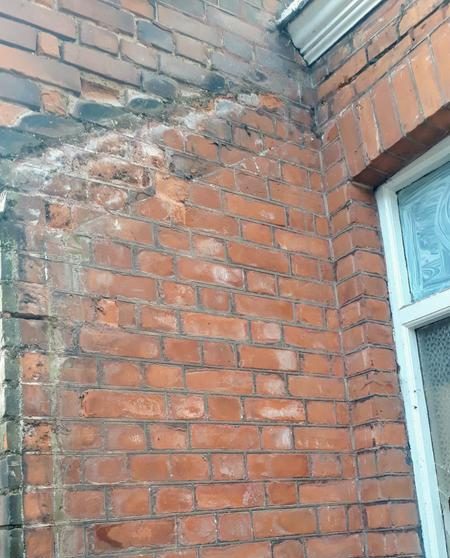
Why Strong Mortar Joints Are the Real Backbone of Brick Structures
Repointing Brickwork can appear to be solid, but the strength of the brickwork is greatly dependent on the quality of the mortar. Once mortar decays, it leaves openings through which water and air can get in. As time goes by, this may undermine the whole structure. Repointing contributes to the restoration of these joints and prevents further damage to the building.
Preventing Water Ingress
Among the key factors leading to structural damage in brick buildings is water. Cracked mortar allows water to enter the walls, which can lead to internal moisture and material deterioration. Through repointing, these holes are sealed, preventing water from entering and causing further decay in the long run.
Maintaining Structural Stability
Mortar is a substance that holds bricks in place. The wall becomes weak, affecting its stability. Repointing helps restore the integrity of these joints and ensures the brickwork is firm and stable. This helps prevent movements or displacements within the structure.
Protecting Against Weather Damage
Buildings are always subjected to varying weather conditions. Mortar can be affected by time, rain, wind, and even temperature. Repointing strengthens the joints, enabling them to resist such conditions. This is an added security measure to prolong the building’s life.
Key Signs That Repointing Is Needed
This may be achieved by recognising the early signs of damage to avoid more serious problems. Brickwork inspection should also be done regularly to ensure structural health.
Cracked or Missing Mortar
Obvious cracks or openings in the mortar are clear indicators that repointing is needed. These holes allow moisture and debris to infiltrate, which may deteriorate the wall condition over time.
Damp Patches on Walls
Wet spaces, both indoors and outdoors, may indicate that water is entering the building through broken joints. By promptly addressing this problem, additional structural damage will be avoided, and indoor conditions will improve.
Loose or Moving Bricks
Loosening or movement of bricks can be caused by weakened mortar. Repointing also helps secure these bricks and restores the wall’s strength.
Want Stronger Walls That Last For Years?
Quarterly repointing of London brickwork is a crucial way to prevent structural damage. It ensures the long-term stability of joints by closing them, reinforcing them, and keeping them dry. Timely maintenance prevents structural damage to the building and minimises future repair expenses. M.D Pointing Contractors Ltd provides reliable and professional repointing brickwork services tailored to protect your property. Our skilled team focuses on restoring strength, improving durability, and enhancing appearance. With careful attention to detail, they help prevent structural damage and ensure your brickwork remains safe, secure, and long-lasting.